November 2, 2015 · https://mhforce.com/morehouse-7-steps-for-troubleshooting-a-load-cell/
Morehouse 7-Step Process For Troubleshooting A Load Cell
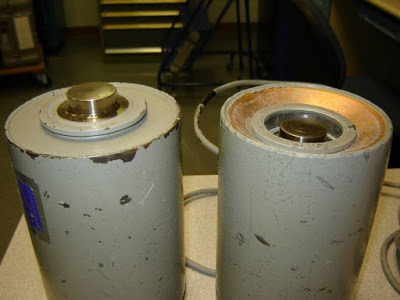
Visual Inspection Lets Us Know Which Cell Is Damaged
Troubleshooting A Load Cell Simplified. Have you spent countless hours trying to figure out what is not working? Is it the load cell, is it the meter, the cable, or something else?
We have wasted countless hours trying to troubleshoot nonworking load cells. To provide better customer service and shorten our calibration lead time (most calibrations are performed in 5-7 business days), we have developed a process to troubleshoot nonworking load cells. This blog post is our way of trying to help others save countless hours trying to diagnose common problems. We call this the Morehouse 7-Step Process For Troubleshooting A Load Cell.
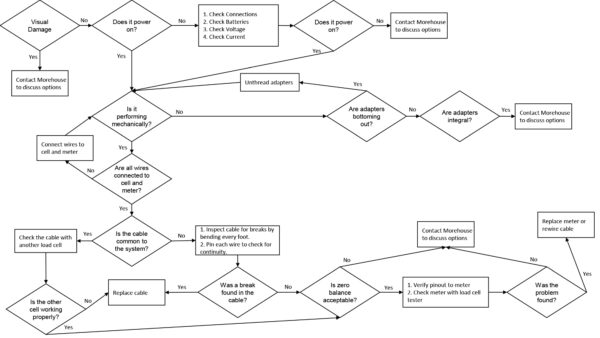
Troubleshooting A Load Cell - Morehouse Load Cell Troubleshooting Guide
1. Visual inspection for noticeable damage
2. Power the system up and make sure all connections are made and verify that batteries have enough voltage and are installed
3. If everything appears to be working, but the output does not make sense, check for mechanical issues. Some load cells have internal stops that may cause the output to plateau. Make sure any adapters threaded into the transducer are not bottoming out.
4. Check and make sure the leads (all wires) are properly connected to the load cell and meter.
Inspect the cable for breaks - With everything hooked up proceed to test the cable making a physical bend every foot
5. Check for continuity of the cable (pin each individual connection) – If the cable is common to the system, check another load cell and verify the other cell is working properly.
6. Use a load cell tester or another meter to check the zero resistance of the load cell – If you do not have a load cell tester you can check the bridge resistance with a common multi-meter
7. Check the voltage and current on the power supply
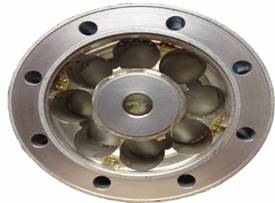
Inside Of An Overloaded Shear Web Load Cell
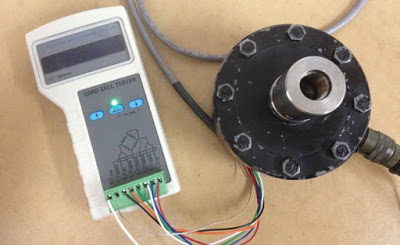
A Morehouse load cell tester can be used to properly troubleshoot load cells
Troubleshooting A Load Cell - Using a Load Cell Tester
A Morehouse load cell tester can be used to test for the following:
Input and Output Resistance
Resistance difference between sense and excitation leads
Signal Output
Shield to Bridge
Body to Bridge
Shield to Body
Linearity
Troubleshooting A Load Cell - Overloaded Load Cells Cannot Easily be Repaired
Important: If the load cell has been overloaded, mechanical damage has been done that is not repairable. Overloading causes permanent deformation within the flexural element and gauges, which destroys the carefully balanced processing.
While it is possible to electrically re-zero a load cell following overload, it is not recommended because this does nothing to restore the affected performance parameters or the degradation of structural integrity.
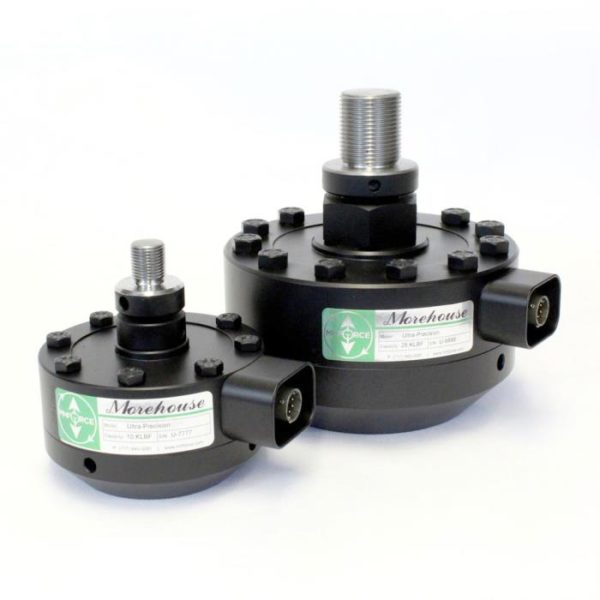
Troubleshooting A Load Cell - Multiple Ultra Precision Load Cells
Morehouse stocks common capacity load cells, most equipment is available in about 1 week with calibration performed using deadweight primary standards. (shorter lead times are available upon request as Morehouse always aims to provide superior customer support) Visit here for more information.
Troubleshooting A Load Cell - Conclusion
If you enjoyed this article, check out our LinkedIn and YouTube channel for more helpful posts and videos.
We believe in changing how people think about force and torque calibration in everything we do. Morehouse believes in thinking differently about force and torque calibration and equipment. We challenge the "just calibrate it" mentality by educating our customers on what matters and what causes significant errors and focus on reducing them.
Morehouse makes our products simple to use and user-friendly. We also happen to make great force equipment and provide unparalleled calibration services.
Do you want to do business with a company that focuses on what matters most? Email us at info@mhforce.com.
FAQ
How do I troubleshoot a load cell that isn't working?
Start with a visual inspection for damage, then verify power, connections, and battery voltage. Check for mechanical issues such as internal stops or adapters bottoming out, confirm all leads are properly connected, and test the cable by making a physical bend every foot. Then check cable continuity pin by pin, measure the bridge resistance with a load cell tester or multimeter, and verify the power supply's voltage and current.
Can an overloaded load cell be repaired?
No. Overloading causes permanent deformation within the flexural element and gauges, which destroys the carefully balanced processing. A load cell can be electrically re-zeroed after an overload, but this is not recommended because it does nothing to restore the affected performance parameters or the degraded structural integrity.
How do I tell whether the problem is the load cell, the cable, or the meter?
Isolate each component. If the cable is common to the system, connect a known-good load cell; if that cell works, the original cell is the problem. Check cable continuity on each individual pin to rule out breaks, and use a load cell tester or multimeter to check the bridge resistance of the cell itself. A tester can also check input and output resistance, signal output, shield-to-bridge, body-to-bridge, shield-to-body, and linearity.