
Asphalt & Soil Testing Industry Key Force Applications
- Falling Weight Deflectometer (FWD) Force Calibration
FWDs generate roadway deflection data used in pavement management, forensic studies, and structural analysis. Their force delivery systems must be highly accurate, because even small deviations introduce significant errors in back-calculated modulus values.
Morehouse provides calibration services and solutions that:
- Calibrate the static load of the FWD using deadweight primary standards known to better than 0.0025 % of applied force
- Ensure the entire load chain—sensor, indicator, and the proper mounting adapters that were design by Cornell for this calibration
- Reduce uncertainty by matching real-use orientations
- Provide traceable certification suitable for DOT and FHWA audits
Our calibration-first process ensures your FWD produces repeatable, defensible load data, improving reliability in seasonal monitoring, network-level pavement evaluation, and rehabilitation design.
- Calibration of Soil Test Devices
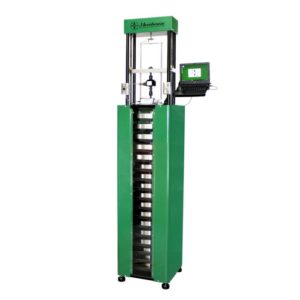
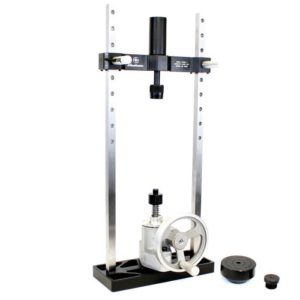
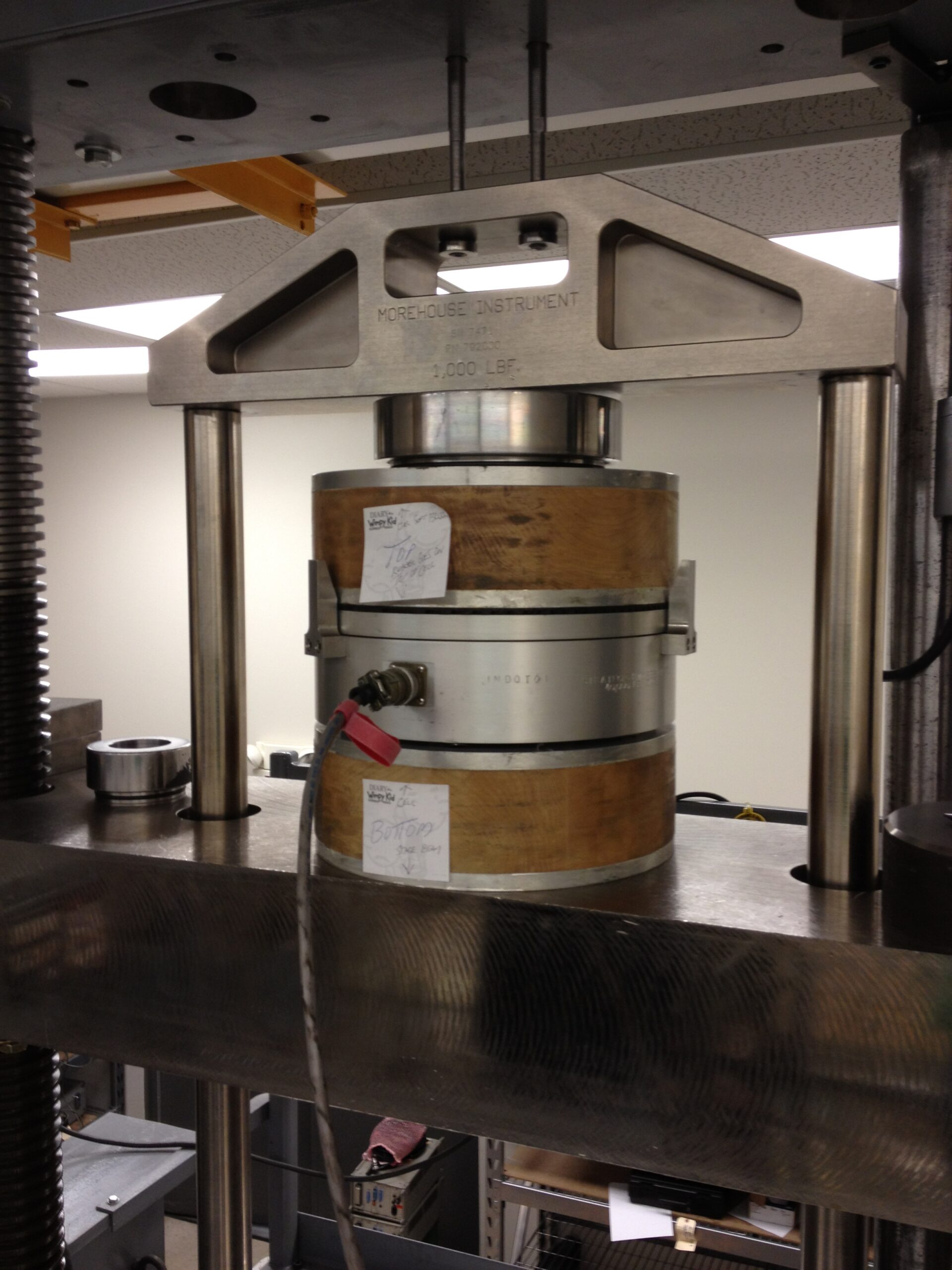
Geotechnical labs depend on accurate force readings when characterizing soil stiffness, strength, and deformation. Morehouse calibrates force systems for a wide range of geotechnical equipment, though our most common is the soil test rings made by various manufacturers including:
Gilson Co.
Humboldt Mfg.
Royal Eijkelkamp
Entek Instruments India Pvt. Ltd.
ELE
NL Scientific
Many more
Our services ensure:
- Correct loading alignment and geometry
- Mostly Compression calibration, though tension is also available
- Traceable MU analysis for accredited labs
Morehouse helps labs eliminate measurement bias from fixture stiffness, misalignment, and indicator mismatch.
- Deadweight and Primary Standard Calibration for Ultra-Low Uncertainty
When regulatory defensibility or research-grade accuracy is required, Morehouse offers primary force realization via deadweight systems. These provide:
- Extremely low uncertainty—ideal for reference load cells
- SI-traceable force realization without dependency on electrical behavior
- Superior repeatability for verifying critical laboratory frames and sensors
These calibrations are ideal for:
- FWD reference load cells
- Benchmark load cells used for inter-lab comparisons
- State DOT metrology labs performing high‑accuracy verification
- Custom Load Cells and Adapters for Pavement and Soil Rigs
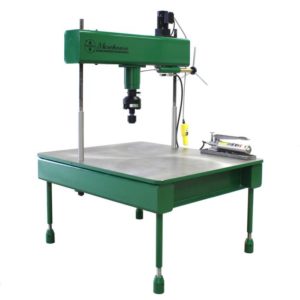
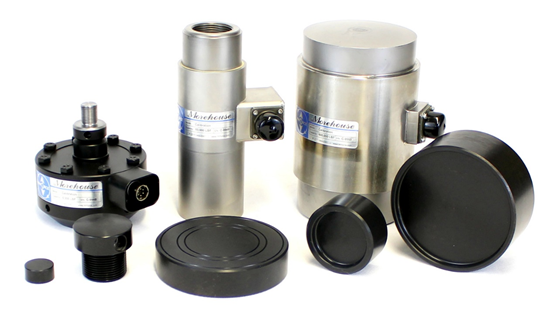
Asphalt and soil testing equipment often require custom geometry due to limited space, unique fixtures, or high-capacity loading. Morehouse designs and manufactures:
- Custom load cells for field and laboratory installation
- Matched-height adapters for multi-point weighing or load-sharing assemblies
- Environmentally sealed load cells for outdoor or rugged field use
These designs reduce setup errors, improve alignment, and help you achieve measurement accuracy that closely matches real operating conditions.
- System-Level Calibration That Matches Real-World Conditions
Just as in aerospace and renewables calibration, laboratory results alone do not guarantee field accuracy. Soil and pavement systems introduce variables such as:
- Off-axis loading
- Temperature-induced stiffness changes in asphalt
- Alignment constraints in load frames
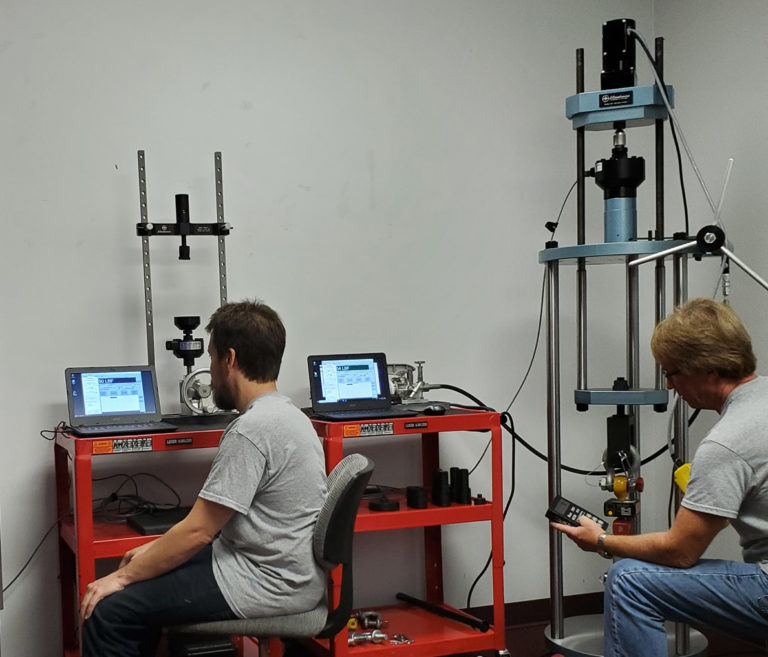
Morehouse performs system-level calibration, validating:
- Sensor + indicator behavior
- Cables, fixtures, adapters, mounting geometry
- Real-use alignment and force path
This results in reliable, meaningful measurement data you can trust for acceptance testing, material evaluation, and research.
Why Asphalt & Soil Testing Teams Choose Morehouse
- Calibration of FWD load sensors
- Low-uncertainty calibration of soil testing devices
- Custom adapters and sensor fixtures designed for DOT and AASHTO equipment
- Deadweight calibration for reference-grade traceability
- Applied MU modeling that identifies real-world error sources
- ISO/IEC 17025-accredited services with full documentation
- Fast turnaround to support seasonal testing cycles
When to Bring Morehouse In
You should involve Morehouse when:
- FWD load readings appear inconsistent or drift between seasons
- Your geotechnical equipment does not correlate between labs or sensors
- You need DOT-audit-ready calibration documentation
- Soil testing or asphalt testing devices require custom adapters to ensure alignment
- You are establishing a new laboratory and need reference load cells
- You want system-level calibration instead of component-only verification
Asphalt and Soil Testing Summary
Morehouse delivers calibration-first accuracy for asphalt, geotechnical, and pavement evaluation systems—from FWD load verification to laboratory soil testing machines.
By combining system-level calibration, ultra-low uncertainty deadweight methods, custom-engineered load cells, and defensible uncertainty modeling, Morehouse ensures your force measurements are reliable, repeatable, and compliant with DOT and AASHTO requirements.
Your pavement and soil data are only as good as the force behind them—Morehouse ensures that force is accurate, traceable, and trusted.
If you want to know more about how Morehouse can help you make better soil testing measurements, Contact Sales
For more information or webinars on measurement risk, soil testing equipment, or calibration, please visit our YouTube channel: https://www.youtube.com/@mhforcecalibration